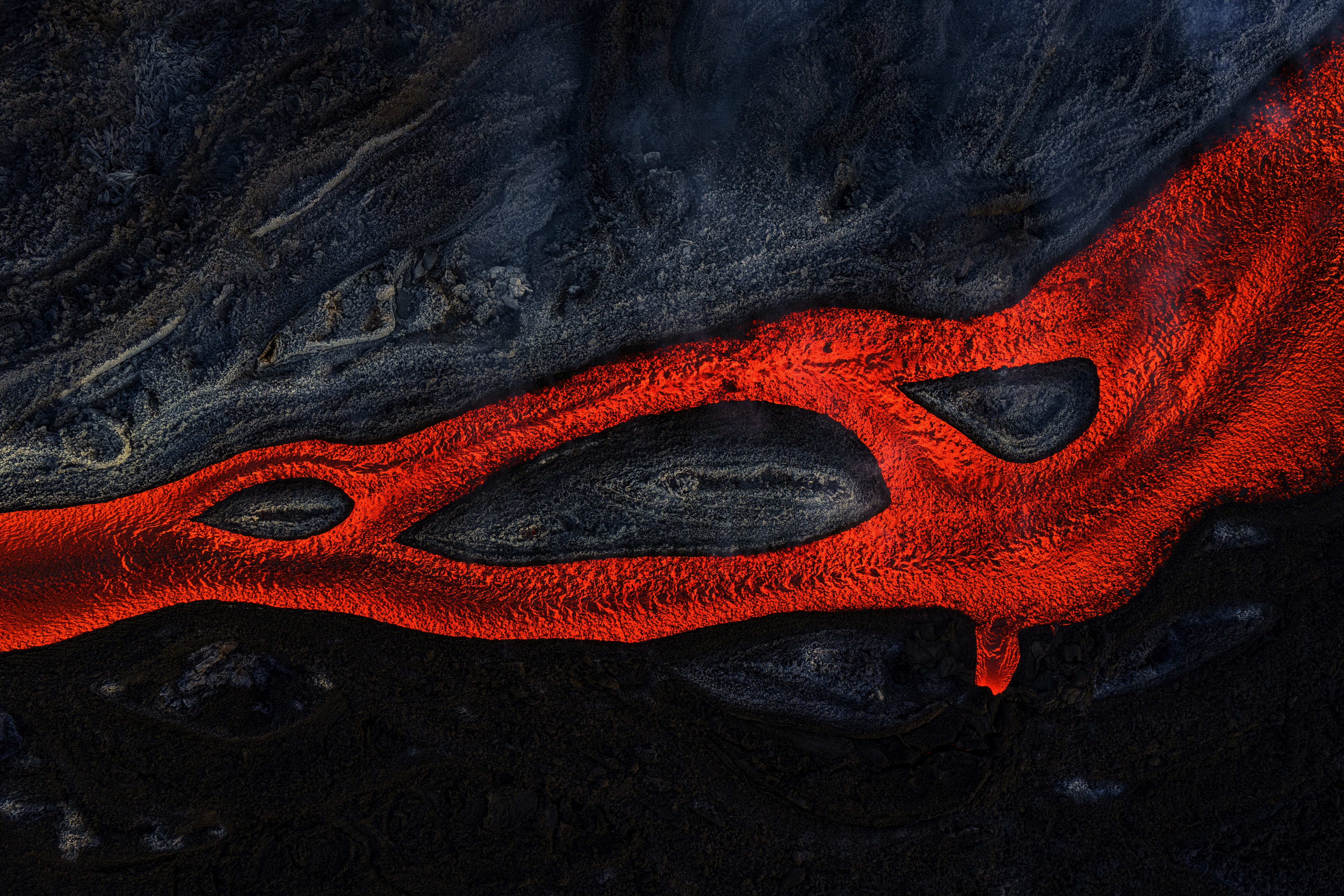
New texture.
New possibilities.
A natural alternative to polyester fleece designed for creative and innovative thinkers.
New texture.
New possibilities.
A natural alternative to polyester fleece designed for creative and innovative thinkers.
New texture.
New possibilities.
A natural alternative to polyester fleece designed for creative and innovative thinkers.
The Cost of Fossil-Based Fashion
Heavy dependence on fossil‑based polyester undermines brands’ climate and circularity targets, exposes them to regulatory pressure (for example in the EU on microplastics and textile waste), and increases reputational risk as consumers and policymakers push back against fast fashion and overproduction.
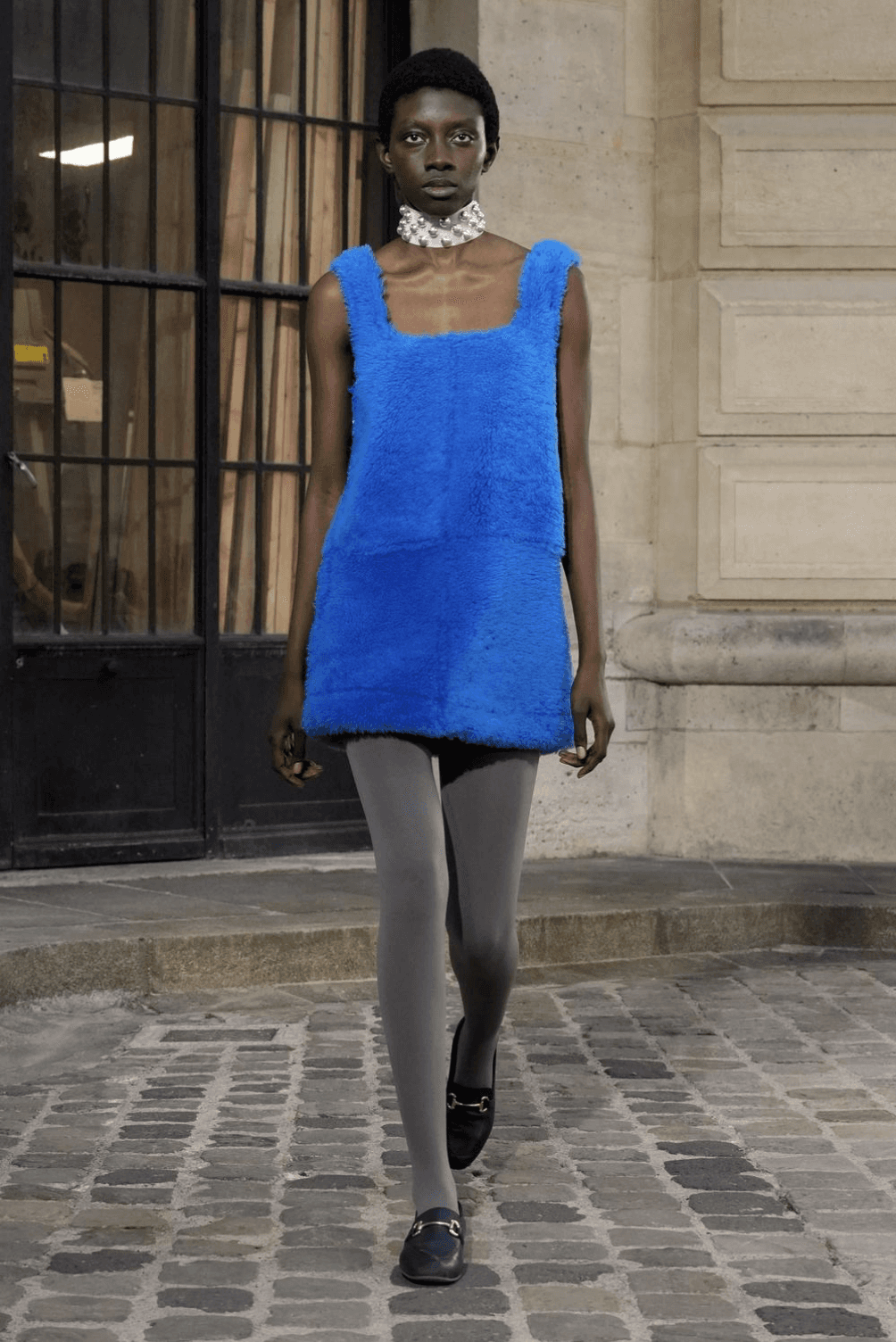
How Cheap Materials Became ‘Luxury’
Fashion commentary notes that polyester, once seen mainly as a low‑cost fabric, is now embraced by both high‑end and mass‑market brands, blurring the old divide between “luxury” and “cheap” materials. During use, polyester garments shed large amounts of microfibers when washed, with estimates of up to hundreds of thousands of microplastic fibers per wash load entering rivers and oceans and contributing to microplastic pollution. Is this luxury?

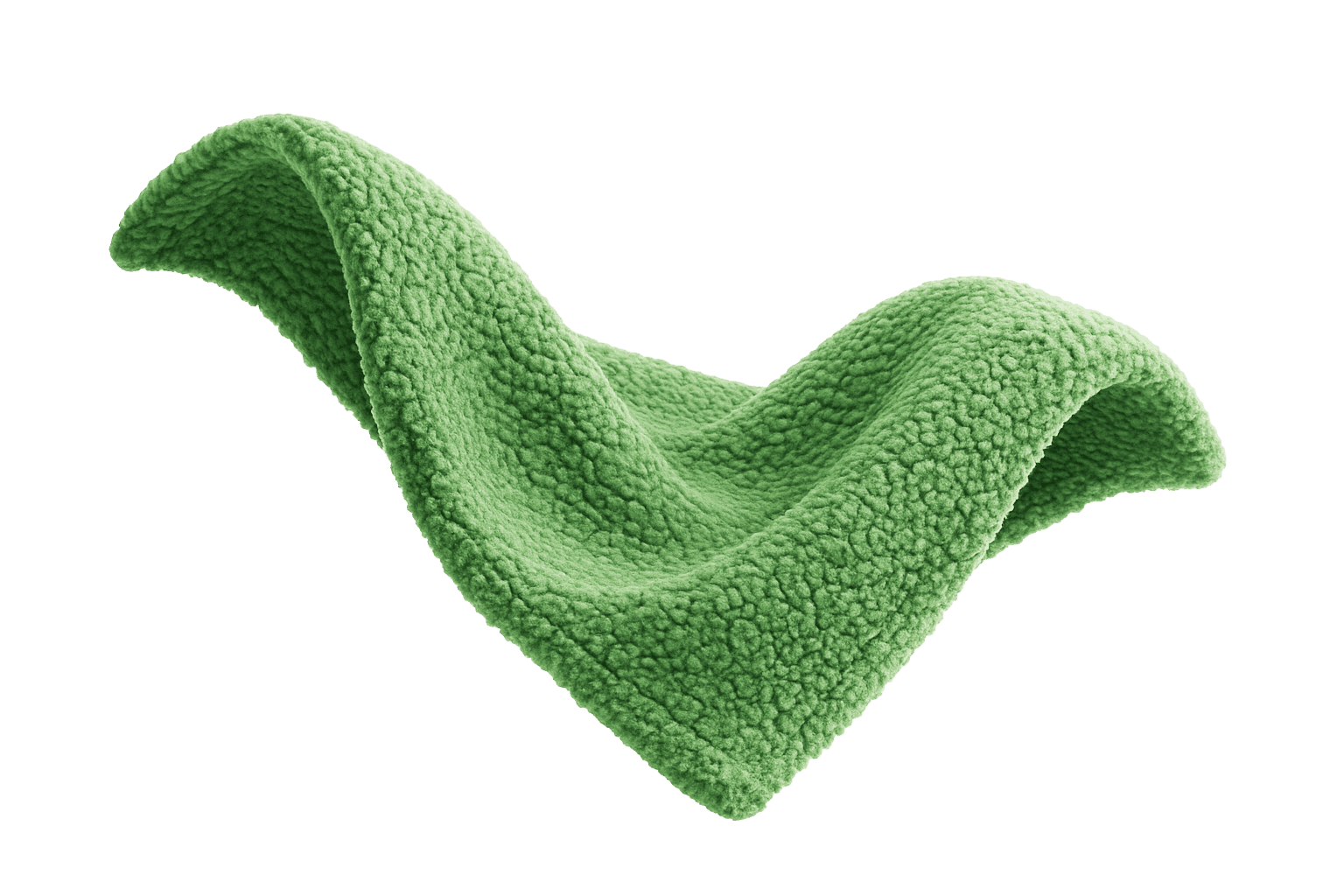
A New-Class Textile
Plaid is not a product.
It’s a textile engineered from cellulosic fibers to replace synthetic sherpa and fleece.No polyester.
No oil-based shortcuts.
No recycling narrative to justify a bad material.Softness, insulation, and structure. Without plastic.
Why this works?
Establishes category creation Kills greenwashing competitors Signals R&D, not branding
Polyester Became the Default.
By Mistake.
Luxury embraced cheap fibers because they scaled fast. Not because they were better.
Polyester sheds microplastics, traps odors, degrades poorly, and ties fashion to fossil fuel supply chains.
Plaid exists to end that dependency. Without compromising performance or design freedom.
Why this works?
Frames the industry as wrong Makes Plaid inevitable, not optional Positions you against the system, not inside it
Speak like a partner, not a seller.
Designed for garments, blankets, and soft-structure pieces where touch, drape, and credibility matter.
Plaid integrates into premium collections without asking designers to redesign their process… or their standards.
Same creative freedom.
Better material truth.Why this works?
Speaks directly to fashion insiders Signals manufacturability Removes adoption friction
A New-Class Textile
Plaid is not a product.
It’s a textile engineered from cellulosic fibers to replace synthetic sherpa and fleece.No polyester.
No oil-based shortcuts.
No recycling narrative to justify a bad material.Softness, insulation, and structure. Without plastic.
Why this works?
Establishes category creation Kills greenwashing competitors Signals R&D, not branding
Polyester Became the Default.
By Mistake.
Luxury embraced cheap fibers because they scaled fast. Not because they were better.
Polyester sheds microplastics, traps odors, degrades poorly, and ties fashion to fossil fuel supply chains.
Plaid exists to end that dependency. Without compromising performance or design freedom.
Why this works?
Frames the industry as wrong Makes Plaid inevitable, not optional Positions you against the system, not inside it
Speak like a partner, not a seller.
Designed for garments, blankets, and soft-structure pieces where touch, drape, and credibility matter.
Plaid integrates into premium collections without asking designers to redesign their process… or their standards.
Same creative freedom.
Better material truth.Why this works?
Speaks directly to fashion insiders Signals manufacturability Removes adoption friction
A New-Class Textile
Plaid is not a product.
It’s a textile engineered from cellulosic fibers to replace synthetic sherpa and fleece.No polyester.
No oil-based shortcuts.
No recycling narrative to justify a bad material.Softness, insulation, and structure. Without plastic.
Why this works?
Establishes category creation Kills greenwashing competitors Signals R&D, not branding
Polyester Became the Default.
By Mistake.
Luxury embraced cheap fibers because they scaled fast. Not because they were better.
Polyester sheds microplastics, traps odors, degrades poorly, and ties fashion to fossil fuel supply chains.
Plaid exists to end that dependency. Without compromising performance or design freedom.
Why this works?
Frames the industry as wrong Makes Plaid inevitable, not optional Positions you against the system, not inside it
Speak like a partner, not a seller.
Designed for garments, blankets, and soft-structure pieces where touch, drape, and credibility matter.
Plaid integrates into premium collections without asking designers to redesign their process… or their standards.
Same creative freedom.
Better material truth.Why this works?
Speaks directly to fashion insiders Signals manufacturability Removes adoption friction